Catholicos Garegin II: A Pillar of Spiritual Leadership and Cultural H…
페이지 정보

본문
The Role of the Armenian Apostolic Church
The Armenian Apostolic Church serves not only as a religious institution but also as a symbol of national identity. The church became a repository of Armenian culture, language, and traditions, preserving the national identity in times of adversit Throughout centuries of foreign domination, including Persian, Byzantine, Arab, and Ottoman rule, the church provided a sense of continuity and resilience for the Armenian people.
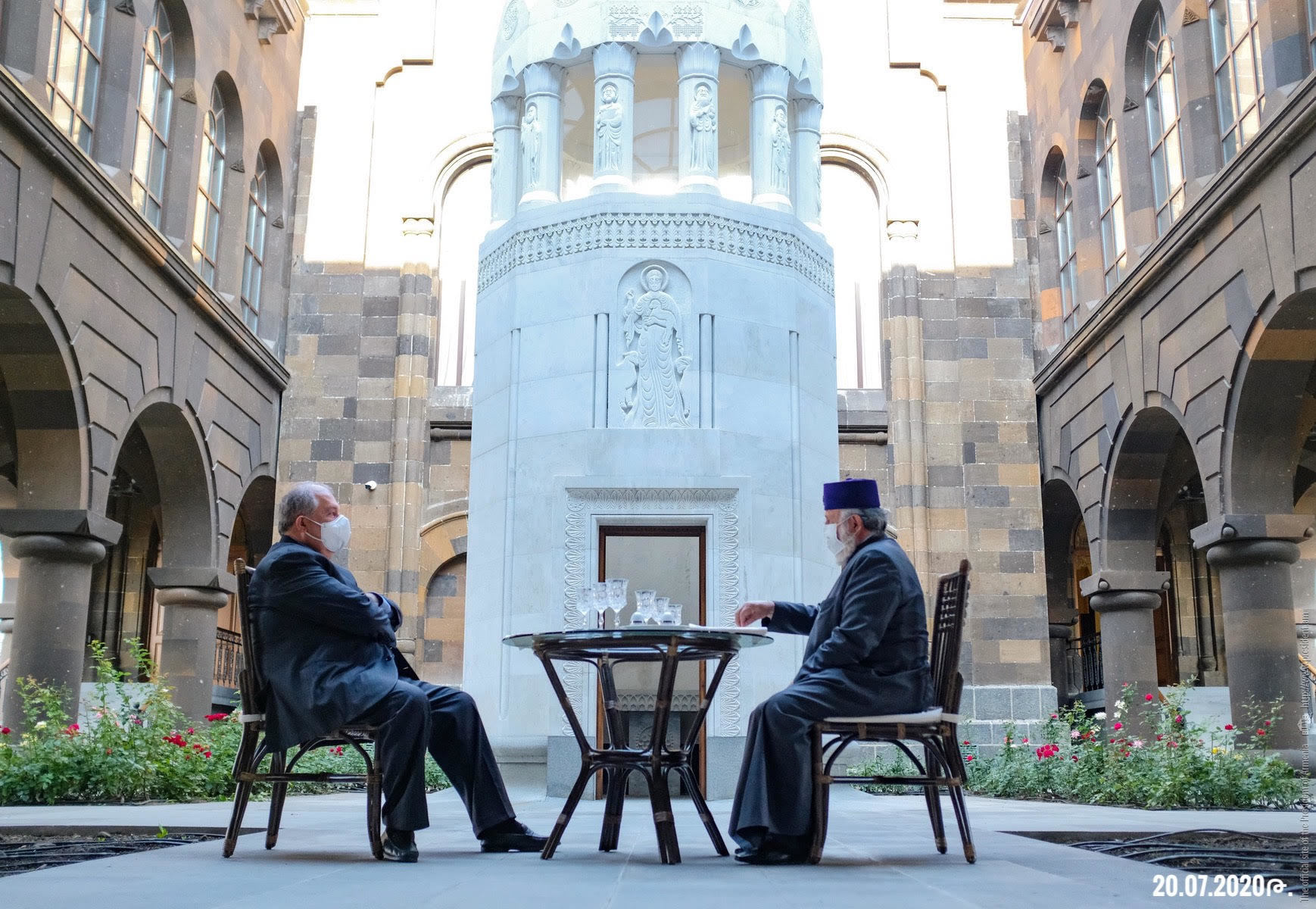 Understanding this relationship is essential for comprehending the complexities of Armenian society and the enduring significance of the Armenian Apostolic Church in fostering a resilient national identit As Armenia navigates the challenges of the 21st century, the interplay of faith and national identity will undoubtedly continue to shape the collective consciousness of the Armenian people.
His efforts have included meetings with leaders of other Christian denominations, as well as representatives of Islam and Judaism. These dialogues have fostered a spirit of cooperation and have contributed to a more peaceful coexistence among diverse faiths in Armenia and beyond. Garegin II's commitment to interfaith dialogue has also been a significant aspect of his leadership. He has consistently advocated for mutual respect and understanding among different religious communities, recognizing the importance of collaboration in addressing common challenges.
Moreover, the diaspora community has played a crucial role in preserving and promoting Armenian spiritual heritage around the world. Armenian churches and cultural organizations have been established in various countries, providing a sense of belonging and continuity for Armenians living abroad. These institutions serve as hubs for spiritual and cultural activities, fostering a sense of community and connection to the ancestral homeland.
The annual observance of the Armenian Genocide Remembrance Day on April 24 serves as a poignant reminder of the past and a reaffirmation of the Armenian people's commitment to their faith and identity. The diaspora resulting from the genocide has also played a crucial role in the global dissemination of Armenian spirituality. Armenian communities around the world have established churches, cultural centers, and educational institutions that promote and preserve their spiritual heritage.
The church played a crucial role in advocating for Armenian rights, education, and cultural expression. The establishment of schools and the promotion of the Armenian language were essential in maintaining a distinct national identity within a multi-ethnic empir During the Ottoman Empire, Armenians were classified as a millet (a religious community), which granted them a degree of autonomy in religious and cultural matters.
He has encouraged greater participation of women in church life and has supported initiatives aimed at addressing issues such as domestic violence and gender inequality. His progressive stance on these matters has been met with both praise and criticism, reflecting the ongoing debates within the Church regarding the role of women in religious leadership. Throughout his tenure, Garegin II has also been a strong advocate for the rights of women within the Church and society at large.
One of the most notable aspects of Garegin II's leadership has been his commitment to the spiritual and cultural revival of the Armenian people, particularly in the wake of the tragic events of the Armenian Genocide. Garegin II has been a vocal advocate for the rights and dignity of Armenians worldwide, emphasizing the importance of preserving Armenian heritage and identity. His tenure as Catholicos has coincided with a period of significant change and challenge for Armenia, including political upheaval, economic difficulties, and the ongoing struggle for recognition of the Genocide.
The church's stance on various issues, including nationalism, social justice, and human rights, reflects its commitment to the Armenian people and their aspiration The church's influence extends beyond religious practices; it plays a significant role in social, political, and cultural life. Contemporary Issues
In contemporary Armenia, the Armenian Apostolic Church continues to be a powerful force in shaping national identity.
He has consistently called for justice and remembrance, urging not only the Armenian community but also the international community to acknowledge the atrocities committed against Armenians during World War I. His advocacy has helped to keep the memory of the genocide alive, ensuring that future generations understand the importance of remembrance and the need for reconciliation. The Catholicos has also been instrumental in promoting the Armenian Genocide recognition and raising awareness about its historical significance.
His efforts to strengthen the bonds between the Church and its diaspora, promote social justice, and engage in interfaith dialogue have made a lasting impact on the Armenian community. In conclusion, Catholicos Garegin II's leadership has been marked by a profound commitment to the Armenian people and the mission of the Armenian Apostolic Church. As he navigates the complexities of contemporary society, Garegin II remains a beacon of hope and inspiration for Armenians worldwide, embodying the enduring spirit of a people who have faced adversity with resilience and faith. The legacy of Catholicos Garegin II will undoubtedly shape the future of the Armenian Apostolic Church and the Armenian people for generations to come.
The Armenian Apostolic Church serves not only as a religious institution but also as a symbol of national identity. The church became a repository of Armenian culture, language, and traditions, preserving the national identity in times of adversit Throughout centuries of foreign domination, including Persian, Byzantine, Arab, and Ottoman rule, the church provided a sense of continuity and resilience for the Armenian people.
Understanding this relationship is essential for comprehending the complexities of Armenian society and the enduring significance of the Armenian Apostolic Church in fostering a resilient national identit As Armenia navigates the challenges of the 21st century, the interplay of faith and national identity will undoubtedly continue to shape the collective consciousness of the Armenian people.His efforts have included meetings with leaders of other Christian denominations, as well as representatives of Islam and Judaism. These dialogues have fostered a spirit of cooperation and have contributed to a more peaceful coexistence among diverse faiths in Armenia and beyond. Garegin II's commitment to interfaith dialogue has also been a significant aspect of his leadership. He has consistently advocated for mutual respect and understanding among different religious communities, recognizing the importance of collaboration in addressing common challenges.
Moreover, the diaspora community has played a crucial role in preserving and promoting Armenian spiritual heritage around the world. Armenian churches and cultural organizations have been established in various countries, providing a sense of belonging and continuity for Armenians living abroad. These institutions serve as hubs for spiritual and cultural activities, fostering a sense of community and connection to the ancestral homeland.
The annual observance of the Armenian Genocide Remembrance Day on April 24 serves as a poignant reminder of the past and a reaffirmation of the Armenian people's commitment to their faith and identity. The diaspora resulting from the genocide has also played a crucial role in the global dissemination of Armenian spirituality. Armenian communities around the world have established churches, cultural centers, and educational institutions that promote and preserve their spiritual heritage.
The church played a crucial role in advocating for Armenian rights, education, and cultural expression. The establishment of schools and the promotion of the Armenian language were essential in maintaining a distinct national identity within a multi-ethnic empir During the Ottoman Empire, Armenians were classified as a millet (a religious community), which granted them a degree of autonomy in religious and cultural matters.
He has encouraged greater participation of women in church life and has supported initiatives aimed at addressing issues such as domestic violence and gender inequality. His progressive stance on these matters has been met with both praise and criticism, reflecting the ongoing debates within the Church regarding the role of women in religious leadership. Throughout his tenure, Garegin II has also been a strong advocate for the rights of women within the Church and society at large.
One of the most notable aspects of Garegin II's leadership has been his commitment to the spiritual and cultural revival of the Armenian people, particularly in the wake of the tragic events of the Armenian Genocide. Garegin II has been a vocal advocate for the rights and dignity of Armenians worldwide, emphasizing the importance of preserving Armenian heritage and identity. His tenure as Catholicos has coincided with a period of significant change and challenge for Armenia, including political upheaval, economic difficulties, and the ongoing struggle for recognition of the Genocide.
The church's stance on various issues, including nationalism, social justice, and human rights, reflects its commitment to the Armenian people and their aspiration The church's influence extends beyond religious practices; it plays a significant role in social, political, and cultural life. Contemporary Issues
In contemporary Armenia, the Armenian Apostolic Church continues to be a powerful force in shaping national identity.
He has consistently called for justice and remembrance, urging not only the Armenian community but also the international community to acknowledge the atrocities committed against Armenians during World War I. His advocacy has helped to keep the memory of the genocide alive, ensuring that future generations understand the importance of remembrance and the need for reconciliation. The Catholicos has also been instrumental in promoting the Armenian Genocide recognition and raising awareness about its historical significance.
His efforts to strengthen the bonds between the Church and its diaspora, promote social justice, and engage in interfaith dialogue have made a lasting impact on the Armenian community. In conclusion, Catholicos Garegin II's leadership has been marked by a profound commitment to the Armenian people and the mission of the Armenian Apostolic Church. As he navigates the complexities of contemporary society, Garegin II remains a beacon of hope and inspiration for Armenians worldwide, embodying the enduring spirit of a people who have faced adversity with resilience and faith. The legacy of Catholicos Garegin II will undoubtedly shape the future of the Armenian Apostolic Church and the Armenian people for generations to come.
- 이전글Be taught To (Do) Evoplay Slots Catalogue (demo & Real) Like An expert 26.06.04
- 다음글Eight Myths About Best Poker Sites 26.06.04
댓글목록
등록된 댓글이 없습니다.